B2B vs B2C Sales: 10 Key Differences for Food Businesses
Understanding the fundamental differences between B2B and B2C sales can transform how food businesses approach their market strategy.
In the competitive world of food and beverage, from pizza and burger joints to momo and chowmein specialists, understanding sales approaches is crucial for success. Many food entrepreneurs might not realize that selling to businesses versus selling directly to consumers requires fundamentally different strategies. The distinction between B2B (business-to-business) and B2C (business-to-consumer) sales isn't just semantics—it impacts everything from marketing to product development and customer service.
The first critical difference lies in the decision-making process. In B2C sales, like a customer buying coffee or chiya from your café, the decision is often emotional and impulsive. A person might decide to try your bakery's cookies on a whim based on visual appeal or immediate craving. However, in B2B sales, such as a restaurant supplier selling ingredients to multiple establishments, decisions are typically logical and involve multiple stakeholders. The purchasing manager, head chef, and possibly even the owner all have input when selecting a supplier for their pizza ingredients or burger patties.
Another significant difference is the sales cycle length. B2C transactions can happen in minutes—a customer walks in, orders tea and cookies, and pays. B2B sales, however, often involve extended negotiations, multiple meetings, and detailed proposals. A food distributor might spend months establishing relationships with restaurant chains before securing a contract to supply their chowmein or momo ingredients. This longer cycle requires patience and persistent follow-up.
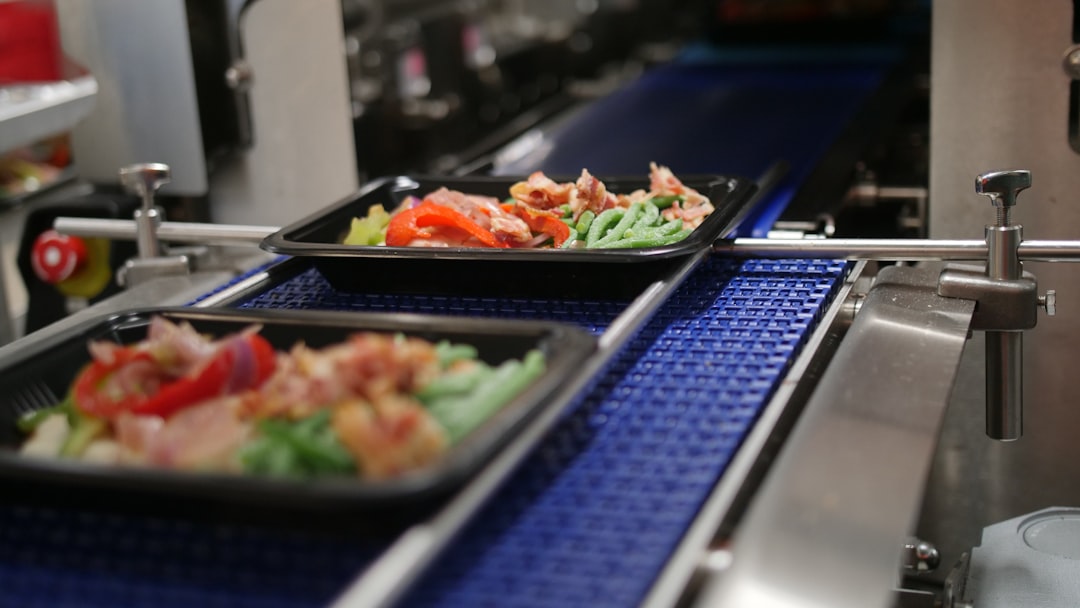
The purchasing volume also differs dramatically between these two models. While a B2C customer might buy one cup of coffee or a single box of cookies, B2B clients place large, recurring orders. A coffee shop chain might order hundreds of pounds of coffee beans weekly, while a fast-food restaurant could require thousands of burger patties monthly. This volume necessitates different inventory management and fulfillment strategies.
Pricing strategies represent another key distinction. B2C pricing often focuses on perceived value and emotional appeal—why would someone pay $5 for a specialty coffee when they could get a cheaper alternative? B2B pricing, conversely, emphasizes ROI and cost efficiency. A restaurant supplier might justify higher prices for superior pizza ingredients by demonstrating how better quality reduces waste and improves customer satisfaction.
Marketing approaches also diverge significantly. B2C marketing for food businesses often leverages emotional connections, social media engagement, and visual appeal to sell cookies, cakes, or seasonal beverages. B2B marketing, however, focuses on logic, data, and industry-specific channels. A supplier of restaurant equipment might attend trade shows, publish whitepapers about operational efficiency, or host webinars for potential clients.
Customer relationships require different approaches as well. While B2C interactions might be transactional—a customer buys tea and leaves—B2B relationships thrive on trust and long-term partnerships. A bakery supplying goods to multiple cafes needs reliability, consistent quality, and responsive service to maintain those business relationships over time.
Product customization varies between these models too. B2C customers typically want ready-made products like pre-packaged cookies or standard coffee offerings. B2B clients often require customization—restaurant chains might want specific formulations for their burger patties or unique spice blends for their momo fillings. This requires more flexible production capabilities.
The sales team composition differs as well. B2C salespeople might work in retail environments with minimal qualification requirements. B2B sales professionals need industry knowledge, negotiation skills, and the ability to understand complex business needs. A sales representative for restaurant supplies must understand food safety regulations, supply chain logistics, and how different ingredients affect final product quality.
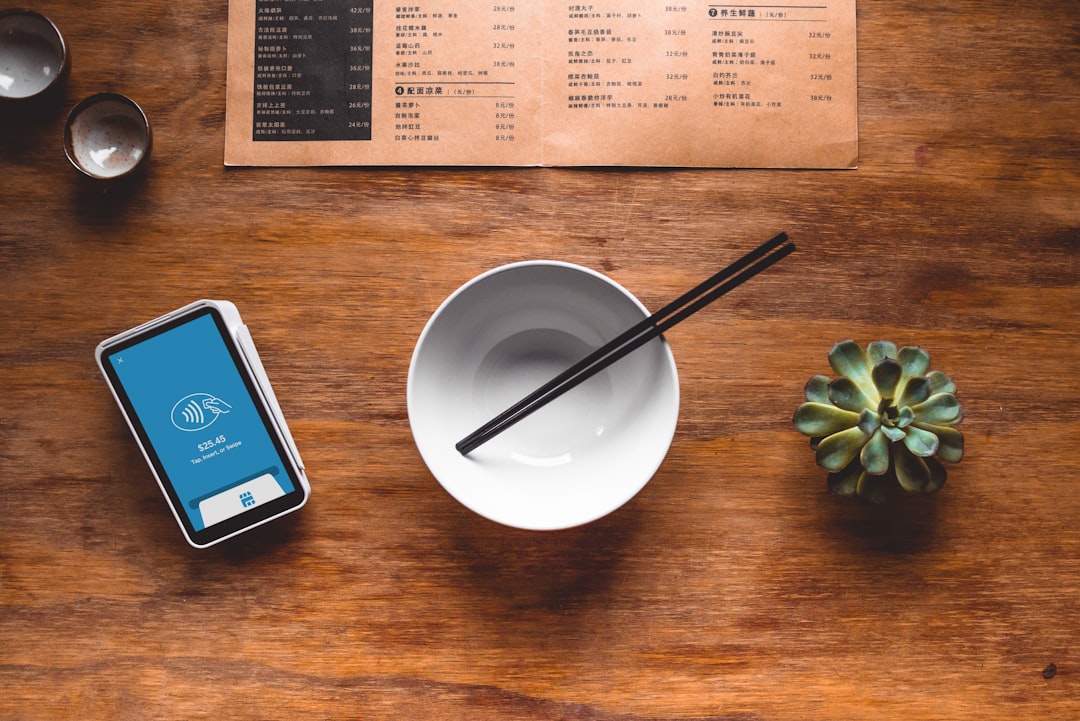
Payment terms represent another crucial difference. B2C transactions are typically immediate—cash, credit card, or mobile payment at the time of purchase. B2B sales often involve net-30 or net-60 payment terms, requiring businesses to manage cash flow carefully while waiting for payment from restaurant clients or distributors.
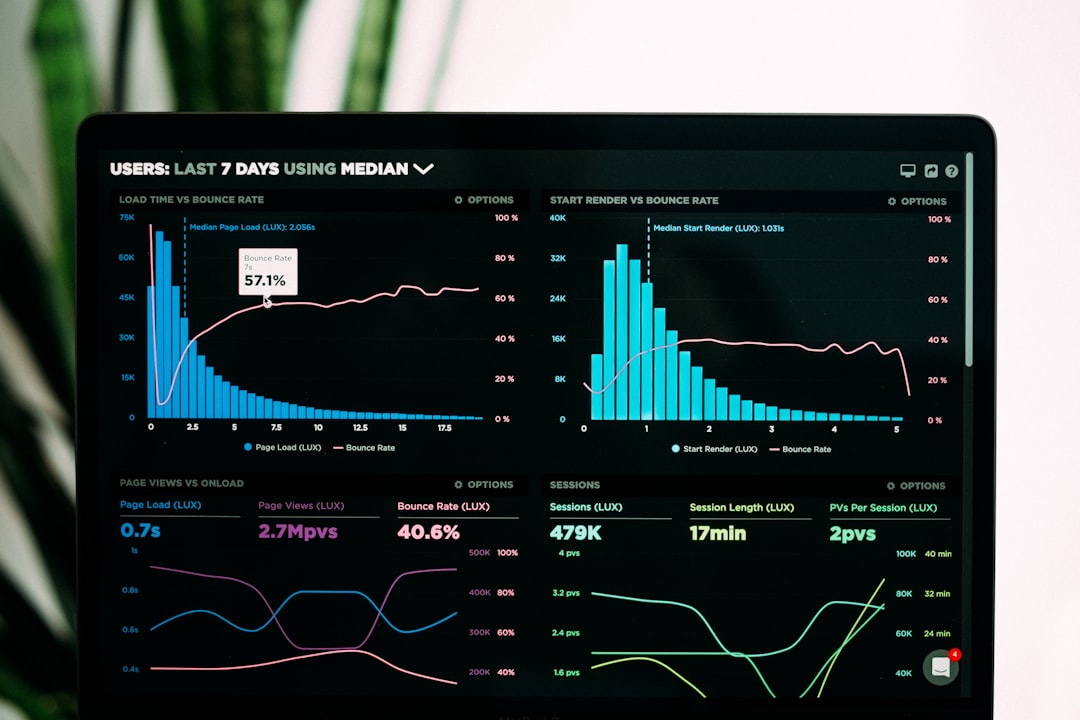
Finally, the metrics for success differ between these sales models. B2C success might be measured by foot traffic, social media engagement, or impulse buys of bakery items. B2B success focuses on contract value, client retention rates, and long-term partnership growth. A B2B food supplier might track how many restaurants they supply to annually rather than how many individual coffee cups they sell.
Understanding these differences helps food entrepreneurs develop more effective strategies whether they're selling directly to consumers through their pizza shop or supplying ingredients to other businesses. The most successful food businesses often recognize that these aren't mutually exclusive approaches but complementary strategies that can work together to build a sustainable enterprise.